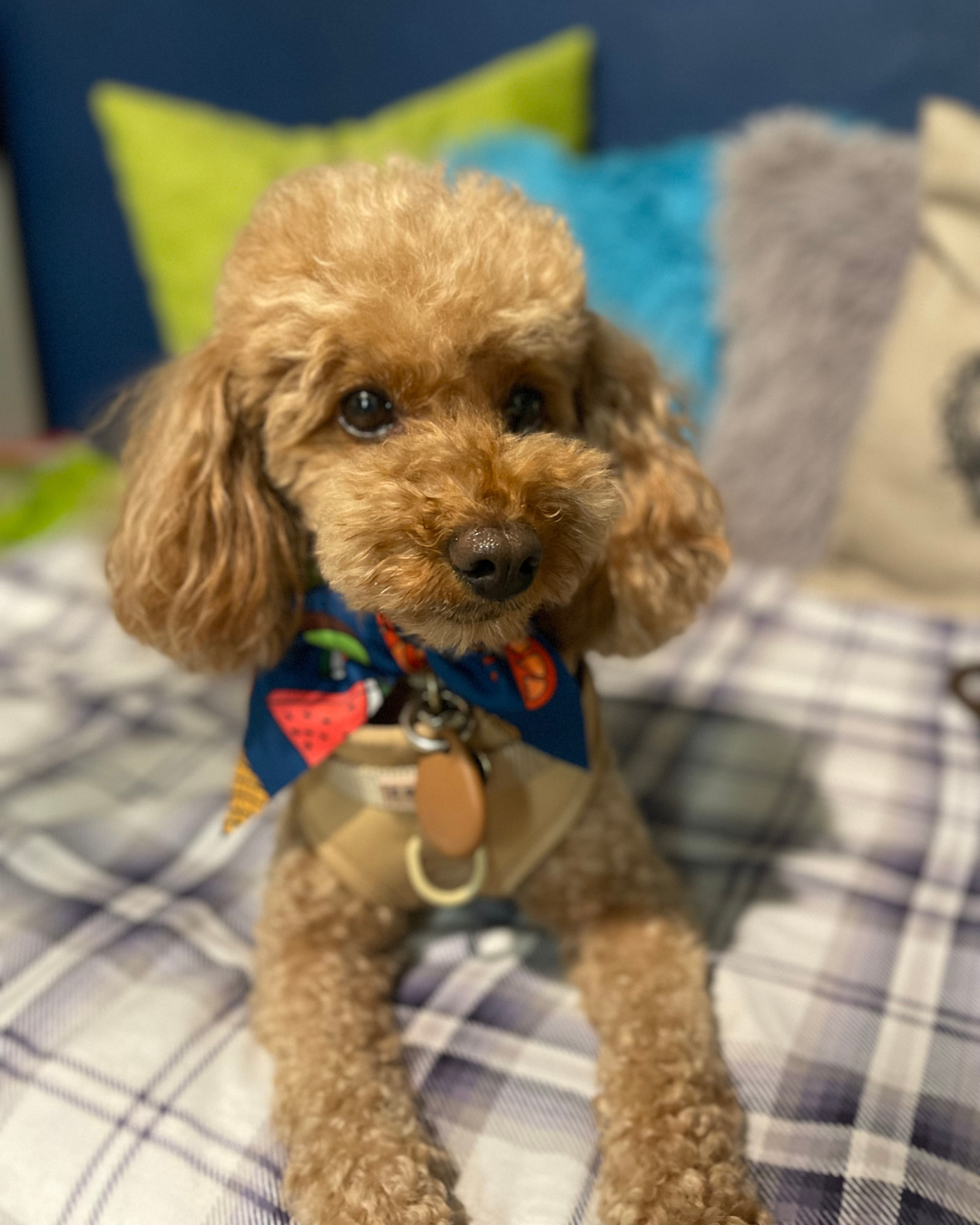
A dog can change someone’s life. But what happens when that person isn’t ready to care for the dog?
There is something extraordinary about the relationship between humans and dogs.
The companionship. The unconditional affection. The comforting presence of another living being who asks for little more than our attention, patience and love.
For many people, dogs bring structure to otherwise difficult days. They encourage movement, provide companionship and can offer a sense of purpose during periods of loneliness, anxiety or emotional distress.
These benefits are real and deserve recognition.
On World Mental Health Day, I want to raise a question that we sometimes overlook in conversations about dogs and emotional wellbeing.
When we recommend a dog to improve someone’s life, are we giving enough consideration to the life of the dog?
That decision puts two lives at stake.
And both matter.
When good intentions are not enough
Encouraging someone to get a dog may come from a place of genuine compassion.
A person experiencing emotional difficulties might benefit from companionship, routine or having another living being to care for.
It is understandable why acquiring a dog might seem like a positive step.
But there is an important distinction between recognising the emotional benefits of interacting with animals and recommending that someone takes on permanent responsibility for one.
A dog is not simply companionship. A dog is a commitment.
That commitment involves providing suitable accommodation, daily care, exercise, veterinary treatment, financial security, emotional attention and stability throughout the animal’s life.
And that life may last 10–15 years or longer.
Before recommending dog ownership, we must ask if the person can realistically manage all aspects of the responsibility.
Do they have stable, pet-friendly accommodation?
If they rent, do they have permission to keep a dog?
Can they afford veterinary treatment, including unexpected emergencies?
Do they have the time, experience and support needed to care for a dog every day?
And perhaps most importantly, what happens when their circumstances change?
I do not intend these questions to discourage dog ownership.
The measure intends to protect both the person and the animal.
The responsibility of recommending a dog
Mental-health professionals, support workers, family members and friends can all play important roles in supporting someone through difficult circumstances.
And animals can certainly be part of that support.
However, recommending that someone spends time with animals is very different from encouraging them to acquire a dog.
The first may provide companionship and emotional benefits without requiring permanent responsibility.
The second introduces a living being whose welfare will depend on the person’s ability to provide consistent care.
That distinction matters.
If someone proposes dog ownership to introduce routine or emotional support, recommendation should consider how to care for that animal.
Not simply the potential benefits for the person.
This does not mean mental-health professionals must become experts in animal welfare.
It means recognising that acquiring a dog is a significant decision, one that may benefit from careful discussion and, where appropriate, guidance from people experienced in dog care and behaviour.
It also means considering alternatives.
Spending time with a family member’s dog, participating in suitable animal-assisted activities or volunteering with animals under appropriate supervision may offer opportunities for meaningful interaction without immediately taking on permanent ownership.
These alternatives will not be suitable for everyone, and they are not substitutes for professional mental-health treatment.
But they illustrate an important point.
There are ways to experience the benefits of animals without automatically making dog ownership the answer.
When circumstances change, who pays the price?
Life is unpredictable.
Relationships change. Financial situations become difficult. People move home, change jobs, experience illness or welcome children into their families.
These circumstances can affect anyone, regardless of their mental-health history.
But when someone acquires a dog without adequately considering the long-term responsibilities, those changes may become particularly difficult to manage.
Imagine someone who gets a dog while living in rented accommodation, only to discover that their landlord will not allow pets.
Or someone who welcomes a dog for companionship but later realises that the financial and daily responsibilities are greater than anticipated.
Perhaps a new baby arrives, working arrangements change or the person no longer has the support they initially relied upon.
The consequences can be distressing.
The person may experience additional anxiety, financial pressure or guilt.
Family members may struggle to help.
One may approach animal shelters and rescue organisations to find another home.
And the dog?
The dog may lose the only home they have ever known.
For dogs, losing familiar people, routines and surroundings can be deeply unsettling.
Some may adapt successfully to new homes. Others may experience considerable stress during the transition.
Even though rehoming is sometimes unavoidable and can be the most responsible decision, we should avoid viewing it as an easy solution to a situation that could reasonably have been anticipated.
Here in Malta, where animal welfare organisations face ongoing demands for their services, preventing avoidable relinquishment deserves serious consideration.
Responsible decisions made before acquiring a dog can help reduce the likelihood of difficult decisions later.
Mental-health challenges do not make someone an unsuitable dog owner
There is another point I want to make absolutely clear.
Having a mental-health condition does not mean someone cannot be an excellent dog parent.
Many people experiencing mental-health difficulties provide loving, stable and responsible homes for their animals.
Indeed, the relationship between a person and their dog can be profoundly meaningful.
It would be unfair, inaccurate and potentially harmful to suggest that receiving psychiatric or psychological support automatically makes someone unsuitable for dog ownership.
That is not the argument I am making.
We should consider suitability individually.
A person’s housing situation, financial resources, practical abilities, support network, understanding of dog care and capacity to meet an animal’s needs are all relevant.
A diagnosis alone does not answer those questions.
And the same standards of responsible dog ownership should apply to everyone.
Someone acquiring a dog because they feel lonely should consider these responsibilities.
Someone acquiring a dog for their children should consider them.
Someone acquiring a dog because they love a particular breed should consider them.
And someone acquiring a dog for emotional support should consider them too.
The responsibility does not change according to the reason for acquiring the dog.
A dog is not an experiment in responsibility
There is another idea worth challenging.
The suggestion that acquiring a dog can be a way of learning responsibility before having a child.
Caring for an animal can certainly teach patience, empathy and commitment.
One should never acquire a dog primarily to test whether someone is ready for another responsibility.
Dogs are not practice runs for parenthood.
They are individuals with their own needs, personalities, vulnerabilities and emotional lives.
Unlike an experiment, we cannot simply set them aside when circumstances change or the experience becomes more demanding than expected.
A home should cherish a dog for who they are, not just for what they might teach someone.
That is a fundamental principle of responsible dog ownership.
Mental health and animal welfare are not competing priorities
One of the reasons I believe this conversation matters is that it should not require us to choose between compassion for people and compassion for animals.
We can recognise the importance of mental-health support while also recognising our responsibilities towards dogs.
We can celebrate the emotional benefits of human–animal relationships without suggesting that acquiring an animal is appropriate in every situation.
And we can encourage responsible dog ownership without judging people who are experiencing difficult circumstances.
These positions are not contradictory.
They are complementary.
In fact, considering the welfare of the dog may also help protect the wellbeing of the person.
Because bringing an animal into a home without adequate preparation can create stress, financial pressure and difficult emotional decisions.
We should not overlook the possibility that a recommendation intended to help someone could impose responsibilities they cannot manage.
Nor should it overlook the consequences for the animal.
Good intentions must be accompanied by responsible decisions.
The DOG FIRST™ perspective
I built my DOG FIRST™ philosophy on a simple principle.
We should not treat dogs merely as accessories to our lifestyles, sources of entertainment, or solutions to our personal needs.
They are living beings whose welfare deserves consideration in the decisions we make.
This applies to the way we travel with dogs, the places we take them, the accommodation we choose and the experiences we expect them to share with us.
But it also applies to something much more fundamental.
The decision to bring a dog into our lives in the first place.
Before acquiring a dog, we should consider whether we can offer the stability, care, security and commitment they deserve.
Not just today.
Not just while our circumstances are convenient.
But throughout their life, including when our own lives become more complicated.
Of course, nobody can predict every challenge the future may bring.
Responsible ownership does not mean having a perfect life or unlimited resources.
It means understanding the commitment, preparing as realistically as possible and making the dog’s welfare a genuine priority.
And when someone recommends dog ownership to another person, that same consideration should be part of the conversation.
We should not discuss the benefits of companionship unless we also acknowledge the responsibilities that accompany them.
Before we ask what a dog can do for us…
On World Mental Health Day, we rightly encourage greater understanding, compassion and support for people experiencing mental-health difficulties.
That conversation is essential.
But when dogs become part of the discussion, their wellbeing deserves a place in it too.
This is not about discouraging the extraordinary bond between humans and animals.
It is about protecting that bond by ensuring it begins with realistic expectations, appropriate preparation and a commitment to the animal’s long-term welfare.
A dog can change someone’s life.
But bringing a dog into our lives changes theirs too.
Mental health matters. Animal welfare matters too.
We should not overlook it.
Before we ask what a dog can do for us, let’s ask what we can give them.
DOG FIRST™ 🐾